
How to Choose the Right Gear
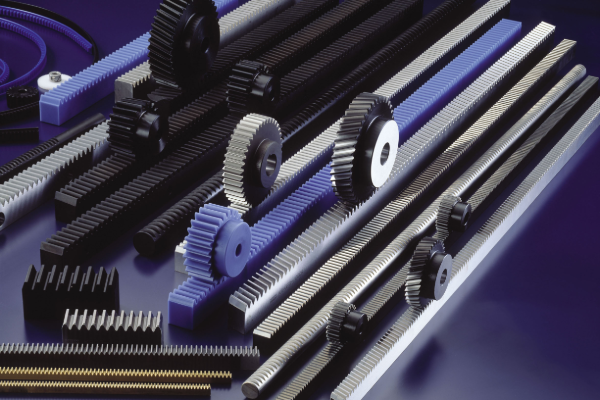
Selecting the right gear is a critical step in ensuring the performance and reliability of any machine or automation system. Whether the application involves robotics, industrial machinery, material handling equipment or power transmission, the chosen gear must be capable of handling the loads placed upon it throughout its operating life.
The process begins by defining the application's requirements, including the weight of the load, the speed of movement and the desired operating performance. These factors are used to calculate the torque required from the gear system. Once the load requirements have been established, engineers can begin selecting a gear that offers sufficient strength and durability.
When evaluating gear performance, two key factors must be considered: bending strength and surface durability. Bending strength refers to a gear tooth's ability to resist breakage under load, while surface durability relates to its resistance to wear, pitting and fatigue over time. For a gear system to operate reliably, both values must exceed the application's calculated load requirements. In gear pairs, the pinion is typically the weaker component, making its strength an important consideration during the selection process.
Equally important is choosing the correct gear type for the application. Spur gears are commonly used for power transmission between parallel shafts, while bevel and miter gears are designed for changing the direction of motion. Rack and pinion systems convert rotary movement into linear motion, making them popular in automation and CNC equipment. Worm gear sets are often selected where high reduction ratios and increased torque are required in a compact package.
Material selection also plays a significant role in gear performance. Options including steel, stainless steel, brass and engineering plastics provide varying levels of strength, corrosion resistance and wear characteristics. By carefully considering load requirements, gear geometry, material properties and application needs, engineers can select a gear solution that delivers reliable, long-term performance.